
NFT Minting for Artists: From 3D Scan to Fan Collectible
- Mimic NFTs
- Jun 12
- 7 min read

NFT minting for artists is no longer just a marketplace upload. For musicians, performers, celebrities, galleries, and digital-first creators, a serious NFT project now begins with the asset pipeline: 3D scans, character design, motion capture, metadata, rights, access rules, and a clear fan experience.
That shift matters because fans do not only want a file. They want a collectible that feels connected to the artist, works across immersive environments, and has a believable reason to exist after the first drop. A production-ready mint can become a pass, a character, a digital twin, a performance memory, or a member-only experience.
Mimic NFT sits in that space between creative production and Web3 deployment. The studio builds custom 3D characters, high-resolution scans, motion capture assets, AR and VR experiences, and digital asset systems for artists, collectors, and immersive worlds. This guide explains how to plan a mint that feels valuable because the underlying experience is real.
Table of Contents
What NFT minting for artists really means
At the simplest level, minting creates a token record on a blockchain. For artists, that token can point to a visual file, a 3D character, a song, an animation, a membership pass, or a layered bundle of files and permissions. The strongest projects treat the token as a container for value, not the value itself.
A creator planning a serious drop should understand the difference between the token, the media file, the metadata, and the experience around it. Mimic's guide to digital NFTs is a useful primer on how files, ownership, and interactive experiences fit together.
For an artist, the practical question is not simply "can we mint this?" It is "what should the fan receive, what rights are included, how will the asset evolve, and how will the experience stay alive after launch?" Those decisions shape the creative brief long before the smart contract is deployed.
Traditional drops vs production-ready 3D NFT minting
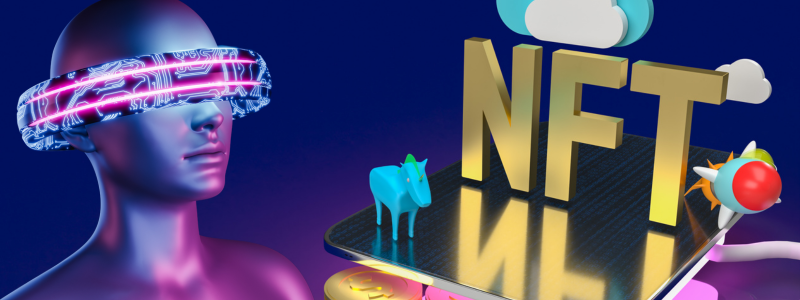
A traditional drop often starts with finished artwork and ends with a marketplace listing. A production-ready 3D NFT project starts earlier and goes deeper. It asks how the artist's likeness, performance, memorabilia, or world can become a structured digital asset.
Traditional drop: artwork first, metadata later, limited utility, and a short campaign window.
3D production mint: scan, model, rig, animate, optimize, document rights, write metadata, and connect the asset to an experience.
Traditional fan value: collect, trade, display. Production fan value: own, access, unlock, interact, attend, remix, or participate.
Traditional risk: the token feels detached from the artist. Production risk: scope grows too large unless the studio defines the experience clearly.
This is where custom 3D character creation and motion capture become strategic, not decorative. They let the asset carry personality, performance, and future use cases instead of sitting as a static image.
The artist-to-collector journey
A good NFT mint is designed around the full fan journey. Discovery begins with the story behind the asset. Consideration depends on trust, rights clarity, and the quality of the preview. Purchase should feel simple and secure. After purchase, the holder needs a reason to return.
Discovery: reveal the artist story, the scan process, the edition logic, and the creative world around the collectible.
Consideration: show what the holder receives, what they can do with it, and which rights are reserved by the artist.
Ownership: connect the collectible to wallet access, private content, AR viewing, virtual events, or future drops.
Retention: add seasonal updates, new poses, new environments, backstage footage, or community participation.
For immersive projects, this journey can extend into virtual worlds. Mimic's article on NFT ownership in the metaverse explains how tokens, avatars, land, and persistent experiences can work together.
Core production stages before minting

The production pipeline should be planned before anyone writes the mint page. For a celebrity, performer, or artist-led drop, the usual sequence is creative brief, rights review, capture, asset creation, technical packaging, metadata, minting, and post-launch experience design.
Creative direction: define the collectible format, visual tone, edition size, holder perks, and launch story.
Capture and creation: use 3D scanning, photogrammetry, sculpting, texturing, rigging, and motion capture where the asset needs realism or performance.
Optimization: prepare versions for marketplace previews, AR viewers, real-time engines, social video, and future experience layers.
Metadata and storage: write clear attributes, file references, edition data, rights notes, and update paths. Mimic's NFT metadata guide explains why this layer is so important.
Benefits for artists, labels, galleries, and fans

The biggest benefit of a production-led mint is that the NFT can connect several business goals at once: fan engagement, premium collecting, rights management, immersive storytelling, and reusable digital assets.
Artists can turn likeness, performances, props, and creative worlds into limited digital assets without reducing the work to a flat image.
Labels and management teams can build fan access around releases, tours, backstage content, and virtual performances. See Mimic's music NFT formats for release ideas.
Galleries and museums can extend exhibitions with digital editions, token-gated rooms, or collectible scans of physical pieces.
Fans receive a collectible that can unlock status, access, updates, and interactive use rather than sitting as a static purchase receipt.
Data and rights checklist
Before minting, the team should know exactly what is being tokenized and what the holder is allowed to do. This is especially important when the project uses a real person's likeness, signature, voice, performance, wardrobe, or memorabilia.
Identity and likeness approvals for the artist, celebrity, estate, agency, label, or brand partner.
Source asset inventory: scans, photographs, motion data, audio, model files, textures, animation clips, and final renders.
License boundaries: personal display, commercial use, remix rights, event access, resale royalty logic, and brand restrictions.
Technical delivery: marketplace image, animation preview, GLB or USDZ files, AR viewer settings, storage plan, and metadata update rules.
Mistakes to avoid before launch
Most weak NFT launches fail before minting because the team confuses novelty with value. The token may be technically valid, but the experience does not answer why a fan should care after the countdown ends.
Minting without a post-purchase experience, leaving collectors with no reason to revisit the project.
Using low-quality 3D assets that look acceptable in a thumbnail but break in AR, VR, or real-time engines.
Ignoring rights language, especially around commercial use, AI training, likeness, music, and derivative works.
Overpromising utility that depends on future partnerships, platforms, or technical integrations that are not yet scoped.
KPIs that show whether a mint worked
A successful artist NFT launch should be measured beyond sell-out speed. Fast primary sales can hide weak retention. Stronger indicators show whether holders keep participating and whether the asset can support future creative work.
Mint conversion rate: how many interested fans moved from landing page or presale registration to successful purchase.
Holder activation: how many collectors use the AR viewer, claim access, join events, or download bonus assets.
Secondary market health: resale volume, floor stability, royalty capture, and whether listings reflect real demand rather than churn.
Experience retention: repeat visits to token-gated content, event attendance, community activity, and participation in future drops.
Privacy, consent, and responsible identity design

Artist NFTs often involve personal identity. A 3D scan, voice sample, motion library, or signature performance is not just content. It is a representation of a person, and it should be handled with the same care as any other rights-bearing asset.
Responsible design means clear consent, secure storage, limited access to raw capture files, and written rules for how the likeness can be displayed, modified, licensed, or connected to AI tools. If a holder can use an avatar, the terms should explain where that avatar can appear and what uses remain prohibited.
This protects the artist and improves trust for collectors. It also makes the project easier to expand into games, XR, performances, and brand partnerships because future teams know what is cleared.
Future trends for artist NFTs
The next wave of artist NFTs will be less about speculative drops and more about persistent digital identity. Expect fewer one-off collections and more tokens that connect to memberships, real-time characters, immersive shows, AI companions, and physical-digital collectibles.
Dynamic 3D collectibles that gain new poses, outfits, animations, or environments over time.
Token-gated virtual performances where holders can attend with artist avatars or unlock private moments.
Phygital collectibles that connect a physical object, a scanned digital twin, and a verified ownership record.
AI-assisted fan experiences where a token becomes the identity layer for a character, guide, or digital companion.
Teams exploring those possibilities should study what NFTs can do beyond art. Mimic's guide to NFT use cases beyond art maps many of the applications now emerging around access, identity, rights, and virtual worlds.
Frequently asked questions
What is NFT minting for artists?
It is the process of creating blockchain tokens that represent an artist-led digital asset, such as a 3D avatar, performance, collectible, membership pass, or immersive fan experience.
Do artists need 3D assets before minting?
Not always, but 3D assets create stronger utility for avatars, AR previews, virtual concerts, metaverse appearances, digital twins, and premium fan collectibles.
What should be included in NFT metadata?
Metadata should include the name, description, traits, edition details, media references, file storage links, rights notes, and any experience or access logic the token supports.
Can an NFT include motion capture or animation?
Yes. Motion capture can be used to create animated previews, performance loops, avatar gestures, virtual concert moments, or unlockable animation packs for collectors.
How do NFT rights work for artist collectibles?
The token can prove ownership of the collectible, but usage rights must be written separately. The project should define personal display, commercial use, remix permissions, and likeness restrictions clearly.
What makes a 3D NFT collectible more valuable to fans?
Value grows when the asset is high quality, authentic to the artist, scarce, usable in experiences, connected to holder perks, and supported after launch with updates or access.
Should artists launch NFTs as one edition or multiple tiers?
Multiple tiers can work well when each level has a clear purpose, such as open collectibles, limited animated editions, VIP access passes, and one-of-one signature assets.
How can Mimic NFT help with an artist NFT project?
Mimic NFT can support concept development, 3D character creation, scanning, motion capture, immersive AR or VR experiences, digital asset management, and NFT consulting for artist-led launches.
Conclusion
NFT minting for artists works best when the token is supported by a real creative system. A collectible built from strong 3D assets, clear metadata, approved rights, and a meaningful fan journey has a better chance of becoming part of an artist's long-term digital presence.
If you are planning a custom artist NFT, celebrity collectible, 3D fan experience, or immersive token-gated launch, explore Mimic NFT's services or get in touch with the team to shape the project from concept to creation.

Comments