
What Makes Game Ready 3D Models Work for Digital Collectibles?
- info911052
- Aug 3
- 7 min read

Why can a beautiful 3D collectible look perfect in a studio render but fail inside a game, browser, or mobile experience?
Game ready 3D models are assets prepared to render, animate, and interact efficiently inside a real-time engine or viewer. They use deliberate geometry, topology, UVs, textures, materials, rigs, animation, scale, naming, and export settings so a platform can load them predictably. For a digital collectible, being game ready means more than lowering the polygon count: it means preserving the approved identity while meeting an explicit technical budget.
The correct budget depends on the destination, camera distance, number of simultaneous assets, devices, lighting, networking, and interaction. A hero character in a desktop game can carry more detail than a wearable loaded through a phone browser. Teams therefore need a high-quality source asset, documented delivery variants, measurable performance targets, validation, and visual approval at the actual viewing conditions.
Table of Contents
What Are Game Ready 3D Models?

Game ready 3D models are production assets that satisfy both an artistic standard and the operating limits of a chosen real-time environment. The model must open correctly, face the expected direction, use consistent units, display approved materials, deform without obvious errors, and stay within budgets for download size, memory, rendering, and animation. The word ready should always be followed by a destination and a test: ready for which platform, device class, scene, and behavior?
A collectible pipeline normally begins with a canonical master. That source may contain high-resolution sculpting, full texture detail, complex hair, and production rigs. Artists then derive one or more optimized variants rather than damaging the master. Each variant should have a version, target, export preset, dependencies, and approval record, allowing the team to improve a platform build without losing the authoritative creative asset.
Mimic NFTs develops detailed people, characters, and objects through its 3D digital art workflow. The same visual identity can be preserved across a premium render and lighter real-time version when silhouette, face, signature materials, and important motion receive priority.
The final token record should identify the intended media without pretending every viewer can use every file. A clear NFT metadata structure can describe previews, canonical files, delivery variants, traits, and version information while the application selects a compatible asset.
Readiness also includes ownership and responsibility. Confirm who controls source files, optimization, engine setup, fixes, hosting, and future exports. If the platform changes, a documented master and repeatable pipeline are far more valuable than a single opaque file labeled final.
Named target platform and supported device range.
Documented geometry, texture, memory, and file-size budgets.
Predictable scale, orientation, pivots, materials, rigs, and animation.
Validated exports plus visual and performance approval.
Preserved master files and versioned delivery variants.
How Should Geometry and Topology Be Optimized?

Geometry optimization removes cost that does not improve the intended view. Artists protect the silhouette, facial landmarks, hands, joints, product edges, and any feature seen close to the camera. Hidden surfaces, tiny bevels, duplicate shells, internal construction, and overly dense flat regions may be simplified. The result should be judged at expected distance and motion, not only as a static wireframe.
Clean topology matters when an asset bends or changes expression. Edge flow should support shoulders, elbows, knees, fingers, eyes, and mouth shapes without collapsing. Automatic reduction can be helpful, but it may create unstable triangles, broken normals, uneven density, or poor deformation. Review the optimized mesh during representative animation and extreme poses, then repair high-value regions deliberately.
A realistic 3D human avatar may require multiple levels of detail. The nearest version preserves facial and clothing detail; distant versions reduce geometry and sometimes simplify rigs or materials. Switching rules must avoid visible popping and be tested with the target camera.
Draw calls and object structure can matter as much as triangle count. Too many separate meshes and materials create repeated work for the renderer. Combine logical pieces where it does not harm animation, customization, culling, or reuse. Remove accidental duplicates, apply transforms safely, repair normals and tangents, and keep naming intelligible for technical artists and developers.
Set budgets using a representative scene. One collectible alone may perform well while twenty holders' assets, effects, environment props, and UI exceed the frame target. Test worst credible combinations on lower supported hardware and measure frame time instead of relying on a universal polygon number.
How Do Textures, Materials, Rigs, and Animation Affect Performance?

Textures often dominate download size and graphics memory. Choose resolution according to screen coverage and importance, not the maximum available source. Pack compatible grayscale channels, remove unused maps, use mipmaps, and select compression appropriate to color, normal, masks, and transparency. Inspect faces, logos, typography, skin, and other brand-critical details after compression because a small numerical saving can create a visible defect.
Materials should be compatible with the destination renderer. Complex layered shaders, excessive transparency, real-time reflections, and many unique materials can be expensive or unsupported. Bake detail when it does not need to respond dynamically, use a controlled physically based material set, and prepare a fallback for platforms that interpret extensions differently. Color management should be defined so approvals do not shift between tools.
For an evolving collectible, the dynamic NFT design guide helps separate token state from the real-time presentation. Trait changes should map to approved meshes, textures, materials, or animations with explicit compatibility and fallback rules.
When an asset includes a recognizable person, performance choices must not undermine permission or identity controls. Review digital likeness rights before creating alternate wardrobe, expressions, gestures, voice, or holder-generated modifications.
Rigs should contain only the bones, constraints, blend shapes, and controls required at runtime. Exported animation clips need stable names, clean start and end frames, correct root motion, and tested looping. Compress curves carefully, inspect feet and hands for drift, and verify that retargeting does not change the approved performance.
Which Formats and Delivery Variants Should Brands Prepare?

There is no single format that guarantees universal use. A brand should define a small delivery matrix based on real destinations. A web viewer may prefer a compact glTF or GLB package; a native application may import an engine-specific bundle; an AR platform may impose different material and animation constraints. The master source can remain in the production format while exported variants serve delivery.
glTF is designed for efficient transmission and loading of 3D scenes, and modern compression can reduce geometry and texture cost. Compression must still be tested against target viewers because extension support varies. Keep a validated fallback when a device cannot decode a preferred texture or geometry method, and do not place critical meaning in a feature that silently disappears.
Cross-platform claims need the same discipline described in Mimic NFTs' NFT interoperability guide. A chain may expose ownership data while each game or viewer independently decides which files, rigs, materials, traits, and actions it supports.
Delivery packages should include explicit units, forward and up axes, pivots, texture references, material definitions, animation names, collision expectations, thumbnails, and checksums where useful. Avoid fragile absolute paths. Validate a clean export in a separate environment rather than assuming it works because it still resolves files on the artist's machine.
Plan storage and update behavior. A permanent token can point to media that requires bandwidth, hosting, and maintenance. Decide which assets are immutable, which can be corrected, how versions are signaled, and what happens if a platform or CDN is retired. Preserve the approved source and published package so holders are not dependent on one vendor account.
How Do Brands Test Game Ready 3D Models Before Launch?
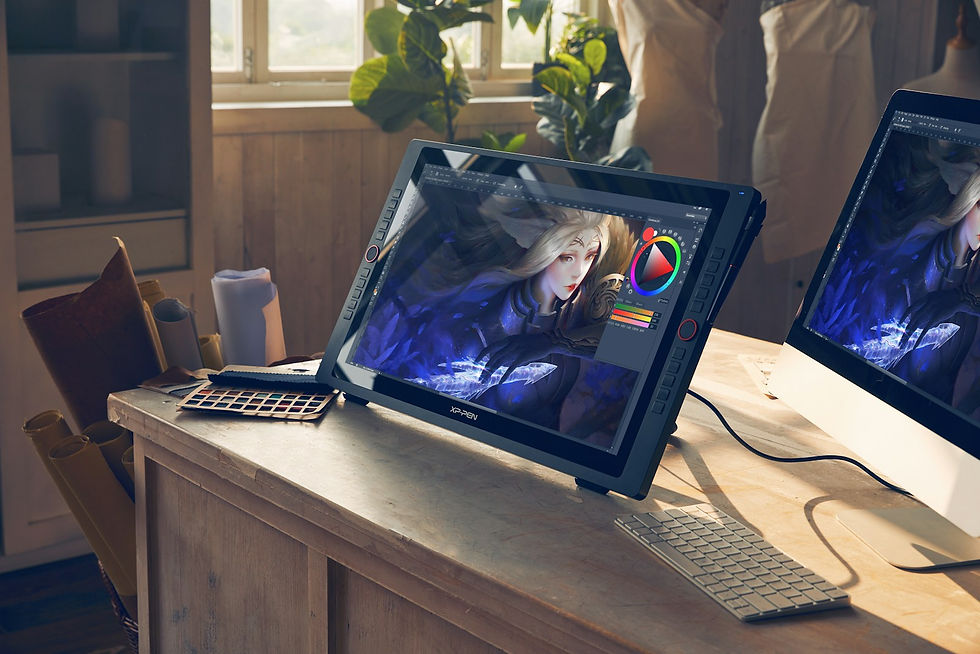
Testing should combine automated validation, human visual review, and real-device performance measurement. Automated checks can catch missing textures, invalid transforms, excessive dimensions, unapproved file types, duplicate names, malformed animation, and budget violations. Human reviewers then compare silhouette, face, logos, color, materials, motion, and interaction with approved references.
Load the asset in the actual product build, not only an isolated model viewer. Measure download time, decoded memory, frame time, shader compilation, animation cost, and failures on supported devices and networks. Test first launch and cached launch. Include poor connections, background restoration, orientation changes, multiple assets, and fallback behavior.
If the model will appear through a phone camera, use the practical checks in the augmented reality NFT guide for scale, tracking, lighting, safety, permissions, and customer comprehension.
A launch checklist should also include contracts, provenance, support, and access controls. Mimic NFTs' smart contract audit checklist explains why technical review should cover privileged actions and operating procedures, not code alone.
Release a controlled pilot and record defects by asset version, device, viewer, and scene. Teams that need coordinated modeling, optimization, testing, NFT strategy, and immersive deployment can review Mimic NFTs services before scaling a collectible library.
Validate files automatically on every approved export.
Compare visuals with references at real camera distances.
Measure representative scenes on lower supported devices.
Test download, memory, animation, interaction, and fallbacks.
Version assets and keep a reproducible release record.
Frequently Asked Questions
What does game ready mean for a 3D model?
It means the asset has been prepared and tested for a named real-time destination, with appropriate geometry, textures, materials, rigs, scale, formats, memory use, and visual quality.
How many polygons should a game ready model have?
There is no universal number. The budget depends on device, camera distance, scene complexity, number of assets, materials, animation, and the frame-time target. Measure a representative build.
Are low-poly and game ready the same thing?
No. A low-poly mesh may still have broken normals, inefficient materials, missing UVs, poor deformation, incorrect scale, or unsupported exports. Readiness covers the complete asset and pipeline.
Should a collectible include the original high-resolution model?
Preserve the high-resolution master under appropriate access and rights. Publish delivery variants according to the product promise, security plan, licensing, and holder entitlements.
Is GLB always the best format for a digital collectible?
GLB is useful for many web and real-time workflows, but target viewers determine required formats and extensions. Validate each package and maintain fallbacks for unsupported features.
What usually makes a 3D asset file too large?
High-resolution textures, duplicated images, dense geometry, embedded animation, unused data, and uncompressed media are common causes. Profile the package before deciding what to reduce.
Can automated tools optimize a model completely?
Automation can reduce meshes, compress textures, and validate files, but artists and technical reviewers must protect identity, deformation, materials, motion, and platform-specific behavior.
How should brands approve optimized 3D assets?
Approve against references in the real destination at representative distances and devices. Record the asset version, budgets, tests, reviewers, known limits, and fallback behavior.
Conclusion
Game ready 3D models succeed when artistic identity and measurable platform limits are managed together. Preserve the master, derive documented variants, protect important visual features, validate every export, and test inside the real scene on supported devices.
Ready to turn a high-fidelity character, product, or digital human into reliable real-time assets? Talk with Mimic NFTs about a versioned production and optimization pipeline.


Comments